About
Bio
The Journal of Forensic Practice, previously published as British Journal of Forensic Practice, aims to offer a constructive and challenging interpretation of a wide range of research and forensic practice that informs ways of working for both individuals and wider organisations. Its content relates to criminology, psychology and evidence-based practice.
Each edition aims to feature;
Practical application of theories and research to inform practice
The application of qualitative and quantitative approaches, such as large scale research to single case study methodology.
Clear implications for practitioners
Material to enhance reflective practice, developing knowledge and application of this, using existing and developing theory.
Examples of good practice
The journal engages in forensic practice (e.g. working with offenders and victims, rehabilitation and treatment), as opposed to forensic science).
Audience and Readership:
The Journal of Forensic Practice aims to be vital for everyone involved in forensic practice. It seeks to be a source of information and intelligence for academics, universities and colleges, practitioners, managers, people working in forensic settings, mental health and learning disability services, NHS and primary care trusts, social workers, nurses, psychologists, psychiatrists, the police, probation officers, health boards, education, local authorities, local government, service users and students.
Other Information:
The journal is peer-reviewed and both multi-agency and multidisciplinary in its outlook. In addition to refereed articles, the Editors also welcome papers giving viewpoints and perspectives from practitioners and commentators on/in the criminal and civil justice systems. Contributions are invited from researchers, managers and practitioners in the forensic field. An online editorial board can be viewed here
Email
email@cision.one
Website
site@cision.one
Social media


Location
United Kingdom
Frequency
upgrade
Circulation
upgrade
Sectors
Crime, Criminology & Forensics, Psychology
Bio
The Journal of Forensic Practice, previously published as British Journal of Forensic Practice, aims to offer a constructive and challenging interpretation of a wide range of research and forensic practice that informs ways of working for both individuals and wider organisations. Its content relates to criminology, psychology and evidence-based practice. Each edition aims to feature; Practical application of theories and research to inform practice The application of qualitative and quantitative approaches, such as large scale research to single case study methodology. Clear implications for practitioners Material to enhance reflective practice, developing knowledge and application of this, using existing and developing theory. Examples of good practice The journal engages in forensic practice (e.g. working with offenders and victims, rehabilitation and treatment), as opposed to forensic science). Audience and Readership: The Journal of Forensic Practice aims to be vital for everyone involved in forensic practice. It seeks to be a source of information and intelligence for academics, universities and colleges, practitioners, managers, people working in forensic settings, mental health and learning disability services, NHS and primary care trusts, social workers, nurses, psychologists, psychiatrists, the police, probation officers, health boards, education, local authorities, local government, service users and students. Other Information: The journal is peer-reviewed and both multi-agency and multidisciplinary in its outlook. In addition to refereed articles, the Editors also welcome papers giving viewpoints and perspectives from practitioners and commentators on/in the criminal and civil justice systems. Contributions are invited from researchers, managers and practitioners in the forensic field. An online editorial board can be viewed here
Website
Social media
Location
Frequency
Circulation
Sectors
Crime, Criminology & Forensics, Psychology
Most recent articles by Journal of Forensic Practice
Lorem ipsum dolor sit amet, consectetur adipiscing elit
Article description
Lorem ipsum dolor sit amet, consectetur adipiscing elit
Article description
Lorem ipsum dolor sit amet, consectetur adipiscing elit
Article description
Explore outlets similar to Journal of Forensic Practice
-
NNBC News Online
NBC News is the news division of the American broadcast television network NBC. It produces and packages video and commentary on breaking news, medical, environmental, business, sports, and feature stories. NBC News serves over 200 NBC affiliates throughout the United States. NBC News aired the first regularly scheduled news program in American broadcast television history on February 21, 1940. Today, NBC News provides content for the Internet, as well as cable-only news networks CNBC and MSNBC. It produces a daily show called Stay Tuned for Snapchat's Discover platform. The Stay Tuned team launched The Overview on Peacock in 2021.
ViewMManchester Evening NewsLaunched in 1868, The Manchester Evening News is published by Reach plc daily and is aimed at residents of Greater Manchester. Covers news, what's on, sport, celebrity stories and property.
ViewCChicago Sun-TimesChicago Sun-Times is a daily newspaper offering news from international to local community news, sports, features, editorials, arts & entertainment, business and weather for the Chicago metro area. One of the 10 largest daily newspapers in the United States, the Chicago Sun-Times has won eight Pulitzer Prizes and has been home to such renowned journalists as political commentator Robert Novak, film critic Roger Ebert and sports writer Rick Telander. The newspaper is available throughout the city of Chicago, Illinois and its suburbs. The staff honors news embargoes on a case-by-case basis. The publication does not offer reader service cards.
ViewWWNBC-TVNBC 4 New York / WNBC is the flagship station of the NBCUniversal Local division of NBCUniversal, serving the New York Tri-State area. It covers Politics, Crime, Government, Local News, Breaking News, National News and Sports.
ViewWWBEZ-FMWBEZ-FM is a non-commercial station. The format of the station is talk and news. WBEZ-FM broadcasts to the Chicago area at 91.5 FM. The target audience of the station is adults, ages 18 to 64. While the station does not sell advertising spots, corporate sponsorship and underwriting opportunities are available. WBEZ-FM was established in 1943 as an extension service of the Chicago Board of Education, and offering educational instruction during the school year while schools were in session. The station became a National Public Radio member station in 1970.
ViewUse CisionOne to find more relevant outletsExplore journalists that write for Journal of Forensic Practice
-
N
-
C
Contact us to find more relevant journalistsContact Journal of Forensic Practice and get access to over 850K accurate, up-to-date media profiles.
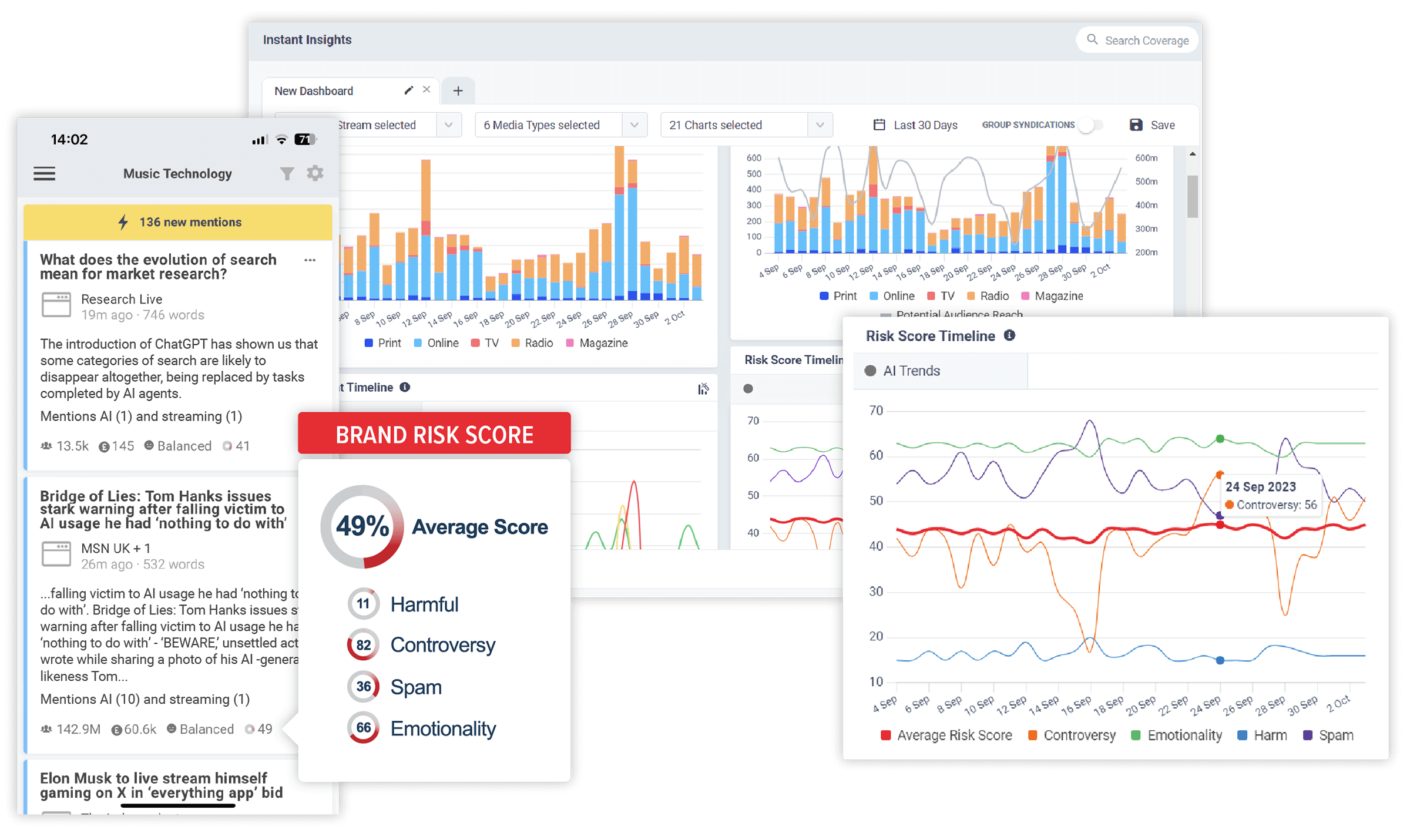
Discover the stories that impact your brand. In realtime.
CisionOne delivers relevant news, trends and conversations that matter to your brand with the world’s most comprehensive media monitoring service across Print, Online, TV, Radio, Social, Magazines, Podcasts and more.