About
Bio
Established in 1987 to promote the advancement of the clinical practice of cognitive psychotherapy in its broadest sense. Seeks to merge theory, research and practice and to develop new techniques through an examination of the clinical implications of theoretical developments and research findings. Features case studies, theoretical and research articles of direct practical relevance, literature reviews on clinical topics and articles specifying the clinical implications of topical research.
This scholarly journal seeks to merge theory, research, and practice and to develop new techniques by an examination of the clinical implications of theoretical development and research findings. To this end the journal will publish case studies, theoretical and research articles of direct practical relevance, literature reviews on clinical topics, and articles specifying the clinical implications of topical research. Articles describing the integration of cognitive psychotherapy with other systems are also welcome.
1. Case studies. Authors should describe therapeutic procedures in sufficient detail to permit replication by other clinicians and should include measures of outcome and, whenever possible, follow up. The development and investigation of innovative procedures are especially welcomed.
2. Treatment manuals, including the descriptions of new treatment methods. Such manuals should clearly illustrate the specific sequential clinical interventions. In particular, authors should clearly indicate variations in interventions and their rationales.
3. Theoretical articles. Articles outlining theoretical developments in cognitive psychotherapy are welcomed if they have clear implications for clinical practice that are described in detail.
4. Literature reviews. Such reviews can focus on research demonstrating the efficacy of specific techniques, the practice of cognitive psychotherapy with specific populations, different therapeutic modalities (e.g., group therapy, family therapy), or reviews of assessment methodologies useful in cognitive psychotherapy.
5. Research studies. Such studies should have direct clinical relevance that is well described in the article.
The journal also seeks to publish special issues devoted to topics of particular interest, suggestions for which are welcomed by the editors.
Editorial submissions - these should be emailed.
Email
email@cision.one
Website
site@cision.one
Social media


Location
United States of America
Frequency
upgrade
Circulation
upgrade
Sectors
Mental Health, Psychology
Bio
Established in 1987 to promote the advancement of the clinical practice of cognitive psychotherapy in its broadest sense. Seeks to merge theory, research and practice and to develop new techniques through an examination of the clinical implications of theoretical developments and research findings. Features case studies, theoretical and research articles of direct practical relevance, literature reviews on clinical topics and articles specifying the clinical implications of topical research. This scholarly journal seeks to merge theory, research, and practice and to develop new techniques by an examination of the clinical implications of theoretical development and research findings. To this end the journal will publish case studies, theoretical and research articles of direct practical relevance, literature reviews on clinical topics, and articles specifying the clinical implications of topical research. Articles describing the integration of cognitive psychotherapy with other systems are also welcome. 1. Case studies. Authors should describe therapeutic procedures in sufficient detail to permit replication by other clinicians and should include measures of outcome and, whenever possible, follow up. The development and investigation of innovative procedures are especially welcomed. 2. Treatment manuals, including the descriptions of new treatment methods. Such manuals should clearly illustrate the specific sequential clinical interventions. In particular, authors should clearly indicate variations in interventions and their rationales. 3. Theoretical articles. Articles outlining theoretical developments in cognitive psychotherapy are welcomed if they have clear implications for clinical practice that are described in detail. 4. Literature reviews. Such reviews can focus on research demonstrating the efficacy of specific techniques, the practice of cognitive psychotherapy with specific populations, different therapeutic modalities (e.g., group therapy, family therapy), or reviews of assessment methodologies useful in cognitive psychotherapy. 5. Research studies. Such studies should have direct clinical relevance that is well described in the article. The journal also seeks to publish special issues devoted to topics of particular interest, suggestions for which are welcomed by the editors. Editorial submissions - these should be emailed.
Website
Social media
Location
Frequency
Circulation
Sectors
Mental Health, Psychology
Most recent articles by Journal of Cognitive Psychotherapy
Lorem ipsum dolor sit amet, consectetur adipiscing elit
Article description
Lorem ipsum dolor sit amet, consectetur adipiscing elit
Article description
Lorem ipsum dolor sit amet, consectetur adipiscing elit
Article description
Explore outlets similar to Journal of Cognitive Psychotherapy
-
SSTYLIST
Launched in 2009, STYLIST is a monthly magazine aimed at professional women. Topics include: Fashion, Beauty, Home and Interiors, Mental Health, Careers, Health, Relationships, Fitness, Wellbeing and Culture.
ViewMMen's HealthEstablished in 1986 and written to help men take control of their physical, mental, and emotional health, Men's Health is dedicated to showing men the practical and positive actions that can make their lives better. Regular features include information on Fitness and Grooming, Health, Food, Drink and Nutrition, Sex and Relationships, Fashion, Sports and Leisure activities, World News, Culture and the Humanities, Parenting, and Technology. For each monthly edition, they seek the advice of the most trusted, experienced, and academically affiliated experts, as well as keeping an eye on the latest new research in the world’s most credible, peer-reviewed academic journals. They then distill it for readers in a way that’s practical, accessible, and easy to understand.
ViewPPsychology TodayEstablished in 1967 and published for psychologists and those interested in psychology. Aims to take information from the latest research in psychology and make it useful to people in their everyday lives. Provides readers with news and information about psychology, research and development, relationships, health, nutrition, education and parenting. Discusses how the mind, body and spirit work together to impact perceptions about the world and presents research and cultural trends to explore topics. Explores issues in society in order to help readers understand the world in which they live. Serves a unique role in bringing information to its readers on how to improve themselves, their families and relationships and their role in the workplace. Also includes information on physical health, fitness and exercise. Sections include Culture Unconventional Wisdom, Decompression, Diagnosis, Therapy Watch, Health, Insights, Personality, Relationships, Food Chain and Solutions. Freelancers should familiarize themselves with the typical format and style of each section before pitching. Articles are usually either related to narrative, science, or cultural synthesis.
ViewIInsideHookInsideHook is a men's interest site and newsletter providing the lowdown on several major cities: New York, Los Angeles, San Francisco and Chicago, with three major areas of content: Where to Go (Travel, Nightlife, Dining), What to Buy (Technology, Style, Auto, Food), and How to Live (Style, Health and Fitness, Pop Culture). Subscriber counts: Nation - 336,009 New York - 148,197 Los Angeles - 107,169 San Francisco - 65,612 Chicago - 67,456 TOTAL - 724,443
ViewHHealthHealth was founded in 1981 as a publication focusing on a healthy lifestyle for women. Since then, Health has expanded to cover health and wellness information for everyone. Their Medical Expert Board comprises of 70 board-certified physicians and healthcare professionals who work with Health’s editorial team to ensure our content is medically accurate, relevant, and up-to-date. These experts medically review content, and provide invaluable insights and perspectives.
ViewUse CisionOne to find more relevant outletsExplore journalists that write for Journal of Cognitive Psychotherapy
-
D
Contact us to find more relevant journalistsContact Journal of Cognitive Psychotherapy and get access to over 850K accurate, up-to-date media profiles.

Discover the stories that impact your brand. In realtime.
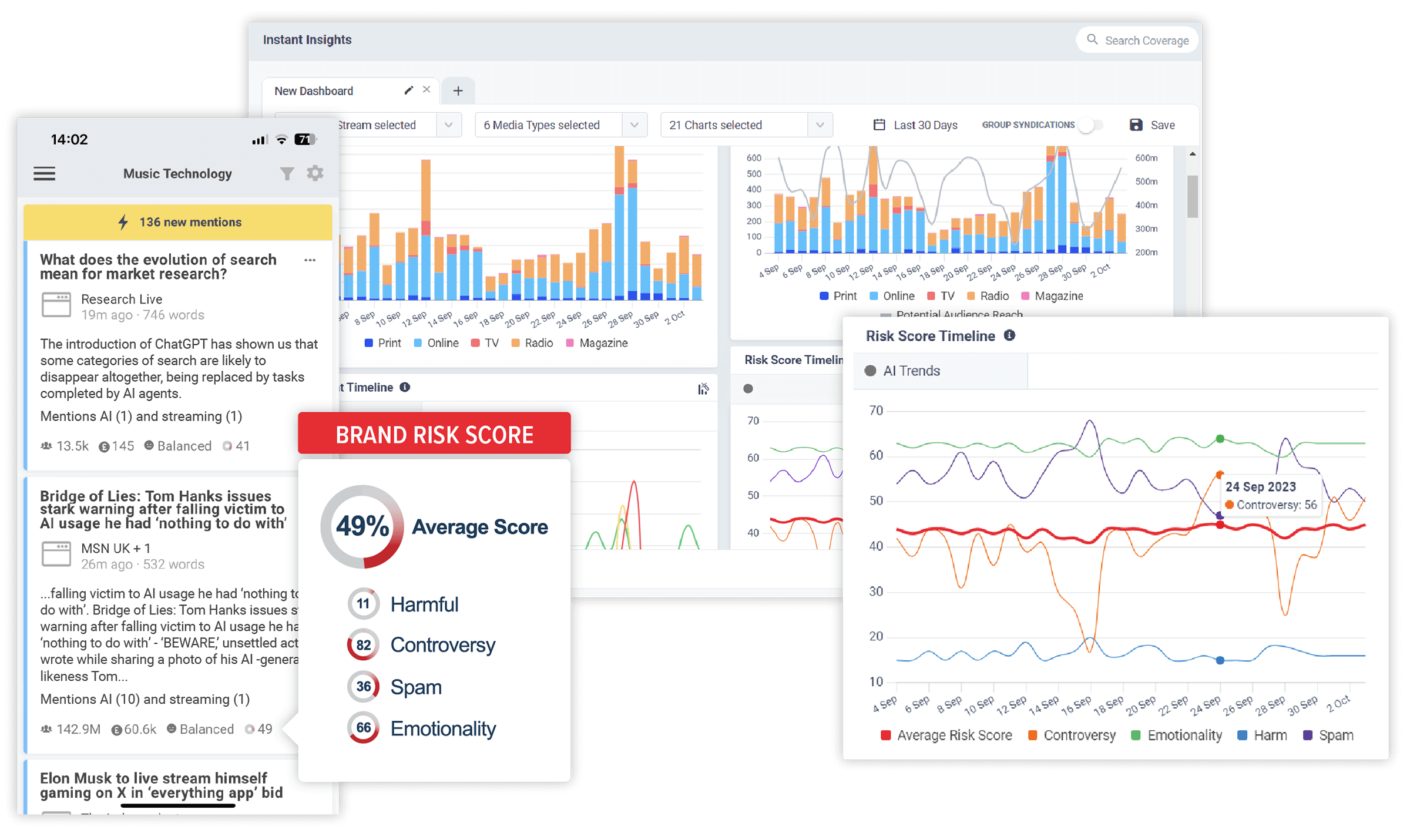
CisionOne delivers relevant news, trends and conversations that matter to your brand with the world’s most comprehensive media monitoring service across Print, Online, TV, Radio, Social, Magazines, Podcasts and more.