About
Bio
Lights in the Dark is a blog that covers astronomy and science.
Email
email@cision.one
Website
site@cision.one
Social media


Location
United States of America
Frequency
upgrade
Circulation
upgrade
Sectors
Astronomy
Bio
Lights in the Dark is a blog that covers astronomy and science.
Website
Social media
Location
Frequency
Circulation
Sectors
Astronomy
Most recent articles by Lights in the Dark
Lorem ipsum dolor sit amet, consectetur adipiscing elit
Article description
Lorem ipsum dolor sit amet, consectetur adipiscing elit
Article description
Lorem ipsum dolor sit amet, consectetur adipiscing elit
Article description
Explore outlets similar to Lights in the Dark
-
SScience
Founded in 1880, with seed money from Thomas Edison, Science continues to be at the center of the very best in research across the sciences, with articles that consistently rank among the most cited in the world. Science articles are peer-reviewed, and written to appeal to both scientist and layman. Regular issue features include a news and comment section, book reviews, and coverage of scientific meetings and seminars. The News section features late-breaking news and in-depth news analysis. Compass, an opinion section, publishes letters and commentary by scientists on current science issues. The TechSight section focuses on leading edge techniques and technologies. Topics include: bioinformatics, genome sequencing, and protein sequencing. This section is published in the third issue every month. The Research section features original investigative research and reporting. Other departments include NetWatch, This Week in Science, ScienceScope, Random Samples and New Products.
ViewSScientific AmericanEstablished in 1845, Scientific American remains the oldest continuously-published magazine in the United States. Redesigned in October 2010, the publication covers the most important and exciting research in science, health, technology, the environment, and society, exploring important ideas often months and years before other media recognizes their importance. The magazine publishes 15 foreign language editions, and regular sections include Forum, which provides a platform for external experts to comment on science policy; Science Agenda, where editors can discuss different science issues; and Insights, which profiles a scientist or researcher and analyzes their contribution to society. Other sections include Anti Gravity and Skeptic. Regular columns include The Science of Health and TechnoFiles. Publicists should feel free to pitch anytime, although they should avoid pitching individual products or new company officer announcements. They should focus on science-based stories that are better told by a journalist than an expert.
ViewSSPACE.comDedicated to news, information, education and entertainment focused entirely on space and space-related content. Editorial provides real-time coverage of space explorations, shuttle missions, science breakthroughs and discoveries, business in space and international space programs. Sections include News, Spaceflight, Science & Astronomy, Search for Life, Skywatching, Tech & Robots, Topics, Images, Video and Entertainment.
ViewTThe Planetary SocietyDesigned for scientists and science enthusiasts. Dedicated to exploring the solar system and seeking life beyond Earth. Mission is to inspire the people of Earth through education, research private ventures and public participation to explore other worlds and seek other life.
ViewIIFL ScienceIFL Science brings the world of science straight to newsfeeds in an amusing and accessible way. The blog provides insights on everything related to science. It talks about environmental issues, technology, space, health and medicine, the brain, plants and animals, physics and chemistry. The aim is to explain the world to its readers.Elise Andrew is the founder and CEO of IFL Science, she is employed by LabX Media Group, which owns LabWrench and publishes Lab Manager Magazine and The Scientist. The blog is now written by a team of writers, a full list is available here. The blog's style is informative, colourful and fun. Visual content helps explain difficult matters and illustrate the content. The blog has 50 million monthly unique users. It is especially popular among young people, with 67% millenial reach. Information on advertising opportunities and contact information is available here.
ViewUse CisionOne to find more relevant outletsContact Lights in the Dark and get access to over 850K accurate, up-to-date media profiles.

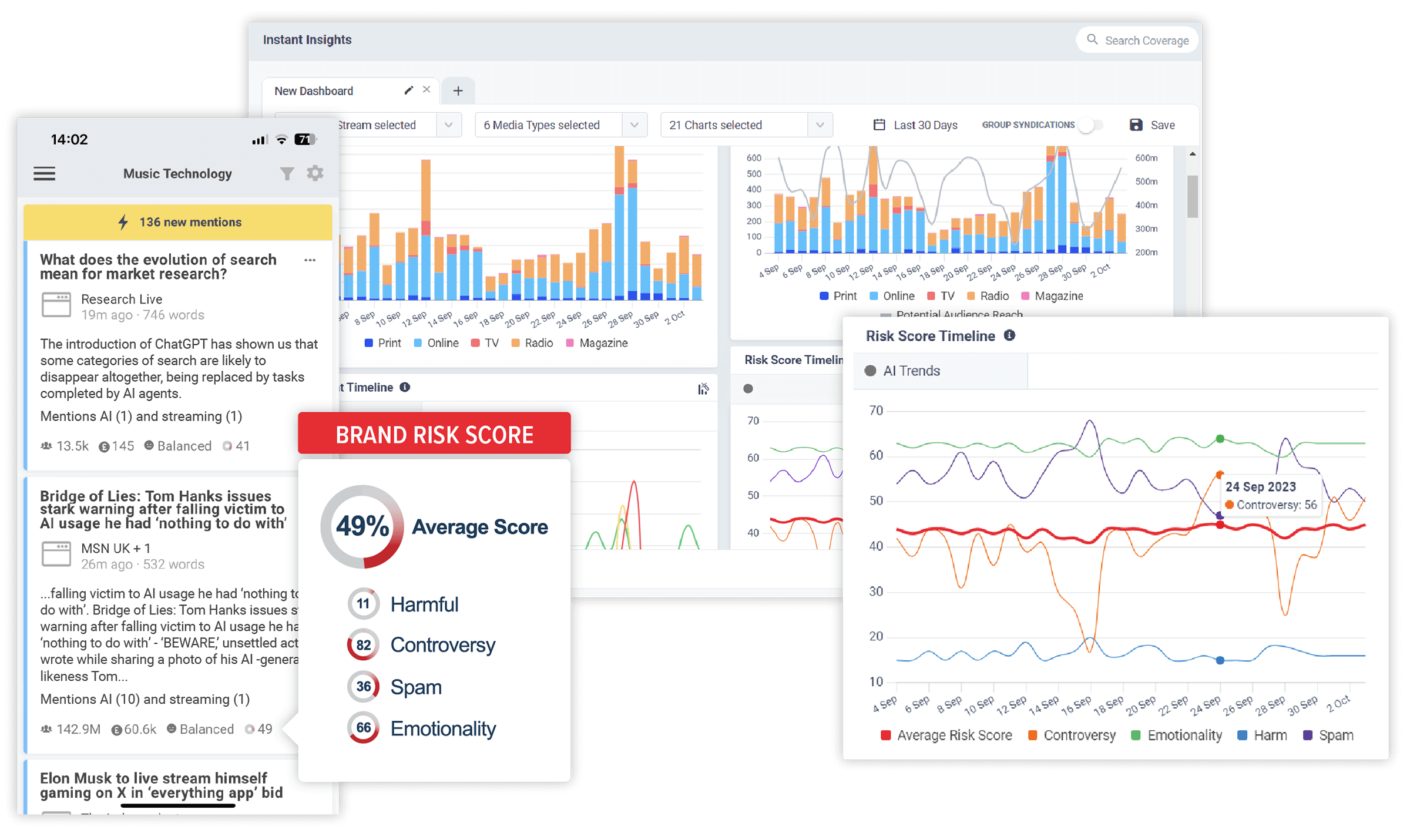
Discover the stories that impact your brand. In realtime.
CisionOne delivers relevant news, trends and conversations that matter to your brand with the world’s most comprehensive media monitoring service across Print, Online, TV, Radio, Social, Magazines, Podcasts and more.